An AI development firm

Most firms hand off. We carry it through.

Twelve Peers designs, builds, ships, and operates AI products — one senior team accountable for the full cycle, from the first framing of the problem to the system running in production years later.

01Discover 02Architect 03Build 04Deploy 05Operate
The problem

Products don't die in production. They die in handoffs.

The strategy firm leaves a deck.

A roadmap nobody on the ground can execute, priced before anyone touched the data.

The agency leaves a codebase.

Shipped, invoiced, and orphaned — no one left who knows why it was built the way it was.

Staff augmentation leaves nothing.

Hands without ownership. When the contract ends, the knowledge walks out with it.

Vibe coding vs. engineering

The demo is the tip. Production is the iceberg.

AI coding tools are real, and we use them without apology — idea to working product in hours is the most exciting thing to happen to software in a generation. But what those hours produce is the visible tenth. Everything that keeps a product alive sits below the waterline.

Above the line — what everyone sees

The prototype. A working demo, a live URL, a product that didn't exist last week.

Cursor · Claude Code · Replit · Lovable · v0

Fast to build. Easy to launch. Looks like progress.

Below the line — what it takes to run

The nine-tenths no demo shows, and the part of the craft that decides whether the product is still standing in three years.

Hard to build. Harder to maintain. Essential to scale.

Architecture & backend
System designAPI designDatabase designCachingMessage queues
Reliability & scale
ScalabilityLoad balancingHigh availabilityFault toleranceRate limiting
Security
Authentication & authorizationData encryptionSecrets managementInput validationSecurity headers
DevOps & operations
CI/CD pipelinesInfrastructure as codeContainerizationEnvironment managementDeployment strategy
Observability
LoggingMonitoringAlertingTracingAnalytics
Quality & maintenance
TestingCode qualityPerformance optimizationError handlingDocumentation

Vibe coding gets you started. Engineering makes it last.

The full cycle

One team, five phases, no handoffs.

01

Discover

We embed with your operation before we architect anything. Problem framing, data reality, feasibility — measured against what AI can actually do today, not what the vendor slide claims.

02

Architect

Stack selection, model strategy, and infrastructure design as one decision, made by the people who will live with it. Build versus buy, hosted versus self-run, evaluated in your context.

03

Build

Full-stack engineering by senior hands — the AI layer, the application around it, and the integrations into the systems your business already runs on.

04

Deploy

DevOps is not an afterthought here; it is a phase with a number. Environments, CI/CD, observability, and security posture — production-grade from the first release.

05

Operate

We stay. Monitoring, model evaluation, cost management, and continuous improvement — the same team that built the system, running it and making it better.

The model

Forward-deployed, senior, and accountable for outcomes.

The firms that changed enterprise software didn't sell advice — they deployed engineers into the operation and stayed until the system worked. That is the model we run, at a scale where every person on your engagement is a principal.

A strategy deck
A running system
Staff augmentation
An accountable team
A handoff at launch
A standing operation
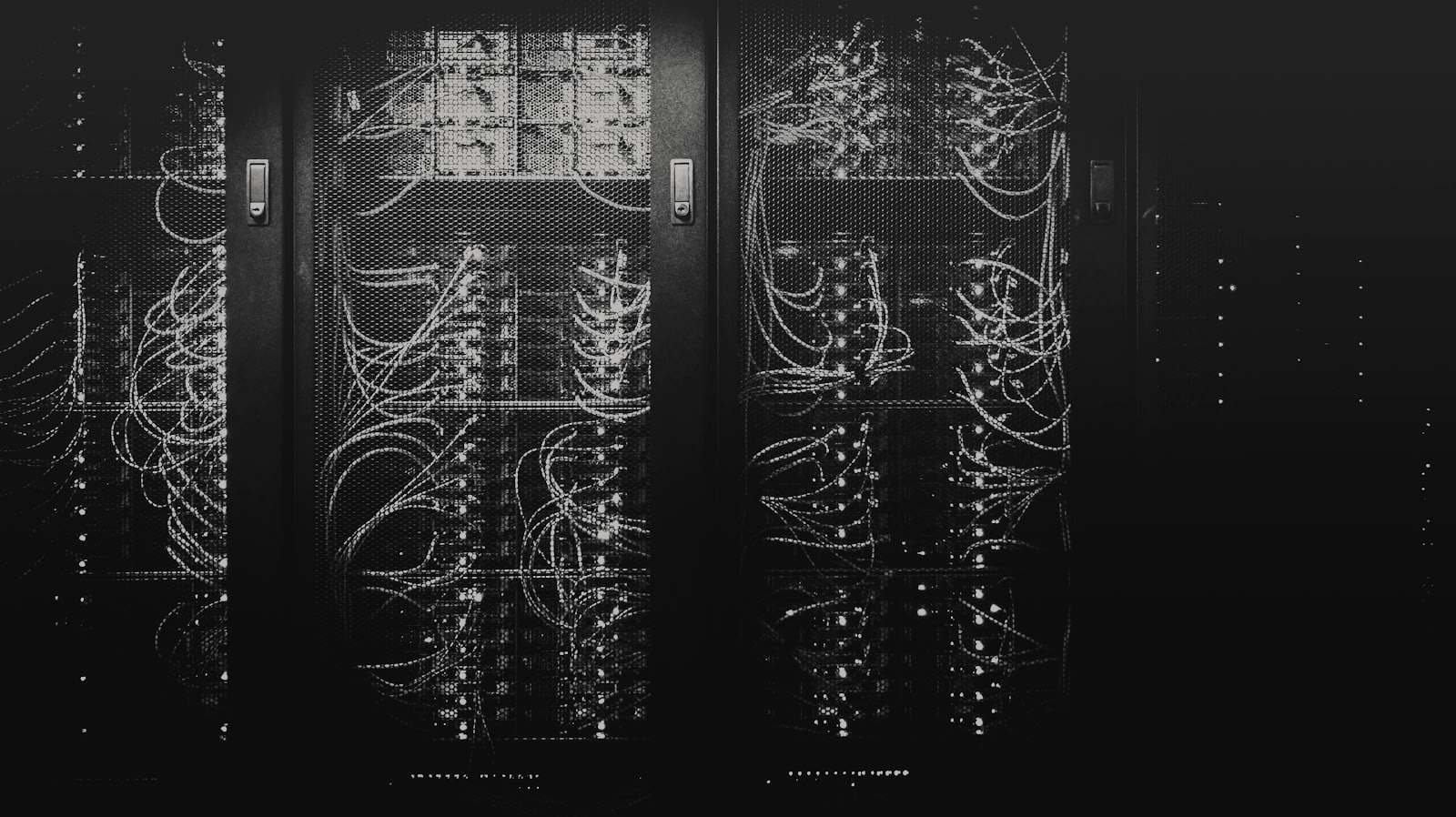
Server racks in a production data center Production is the point
Capabilities

Four disciplines, one bench.

AI Engineering

Intelligence, applied

LLM applications, agents, retrieval systems, and evaluation harnesses — built for your data and your risk tolerance, not the demo.

Stack Development

The product around the model

Full-stack engineering across web, API, and data layers. The AI feature is 20% of the system; we build the other 80% too.

DevOps & Infrastructure

Production is the point

Cloud architecture, CI/CD, observability, and security hardening. If it isn't deployed, monitored, and recoverable, it isn't done.

Management

Delivery, owned

Technical program leadership, vendor and cost governance, and the ongoing stewardship of systems in service.

Products

We ship our own, too.

The fastest way to trust a firm's engineering is to use something it built for itself. These are products we design, run, and stand behind — the same full cycle we sell, applied to our own ideas.

01 · Retrieval, grounded

GroundworkContent in. Grounded answers out.

An automated content-to-RAG pipeline with a chat agent on top. Groundwork ingests the content you give it, builds the retrieval layer, and answers questions grounded to that data — every response referencing its sources, so you can see exactly where an answer came from. Little AI drift, by design.

Automated ingestionRetrieval-grounded answersInline source referencesDrift-resistant by design
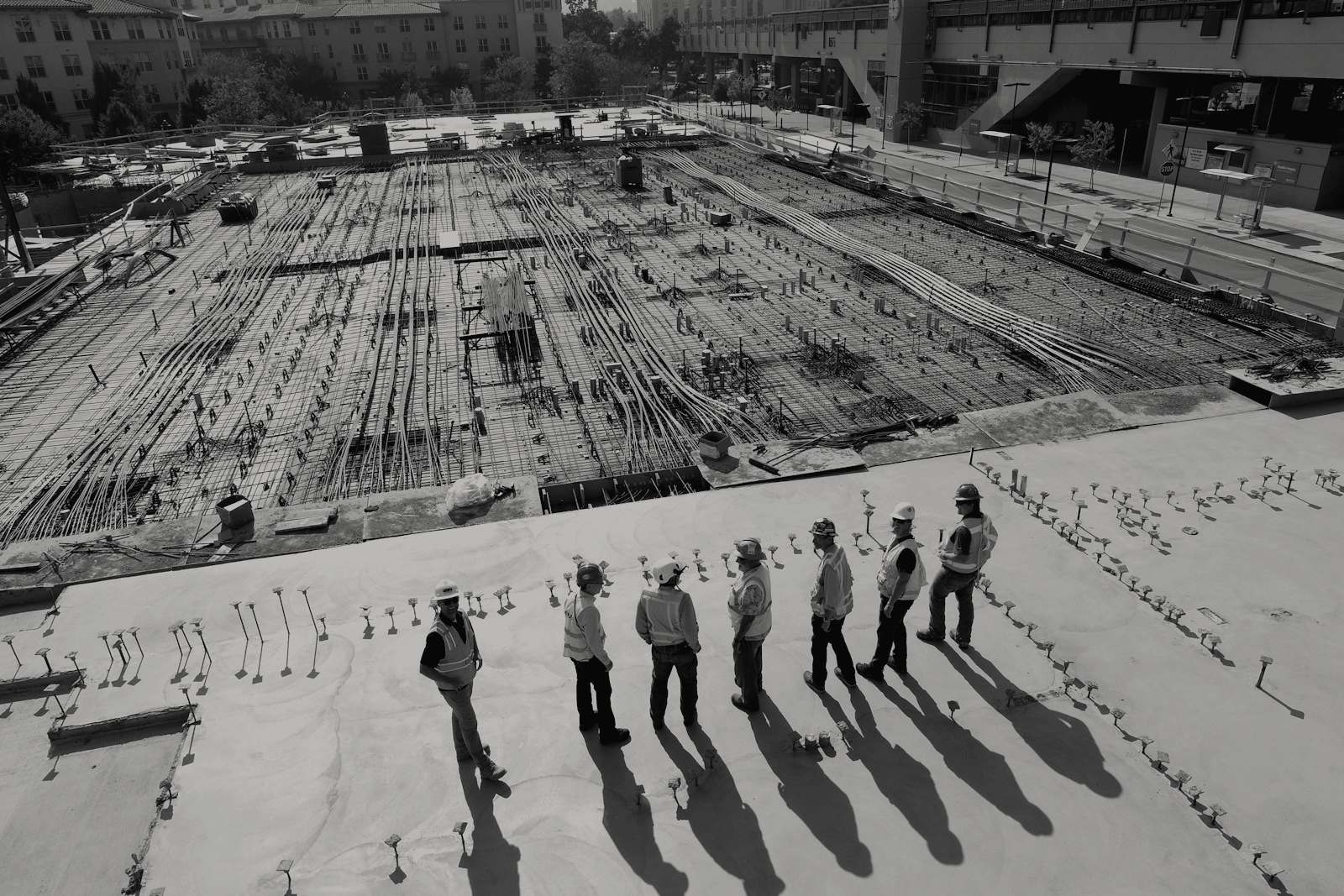
Aerial view of a building foundation being laid — a rebar grid before anything stands on it The foundation comes first
02 · Data, exchanged

DashAn open data exchange.

An open data exchange platform for moving data between the systems you already run. Dash handles the mappings, transformations, and synchronization that integration projects usually reinvent from scratch — so platforms exchange data instead of hoarding it.

Open exchangePlatform-to-platform syncMappings & transformsBuilt for integration
Aerial view of a highway interchange — routes exchanging traffic between systems Systems, interchanged
"The Twelve Peers were Charlemagne's companions — sworn to carry the mission themselves, not to counsel it from a distance."

— The Matter of France, and the reason for the name

Contact

Bring us the problem, not the spec.

The first conversation is a working session: what you're trying to change, what your data looks like, and whether AI is honestly the right lever. If it isn't, we'll say so.

PO Box 9, Melrose, NY 12121 · Based in New York, working everywhere